
The problem
A stopped truck rarely stays as one small maintenance issue. It can hold up loading bays, slow dispatch, block production movement and pull supervisors into firefighting. In food and beverage, logistics and engineering, the true cost is usually the knock-on effect: late orders, overtime, temporary workarounds and pressure on the remaining fleet.
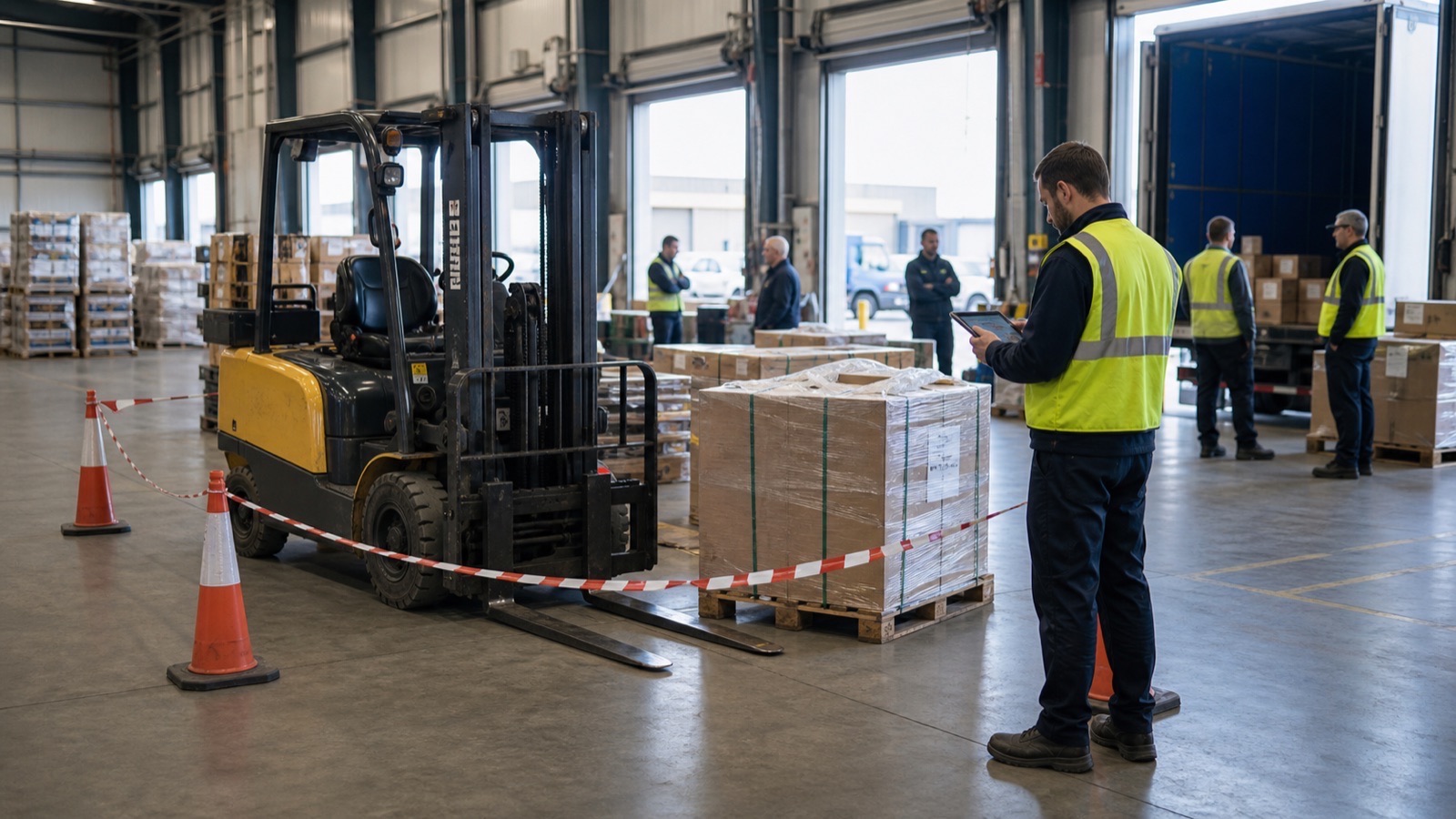
The first visible problem is usually the silent truck, but the wider loss is happening around it. People wait, goods queue, loading plans change and supervisors spend time trying to protect service rather than improving the operation. For example, if the only counterbalance serving a loading bay stops during an afternoon transport window, pallets can miss trailers while warehouse staff pull other trucks away from picking just to keep dispatch moving.
If downtime is treated only as an emergency repair, the same pressure can return with a different truck or shift. The site needs to know why the failure mattered, what it interrupted and how to reduce the chance of it repeating.
How WRMH could help
WRMH helps by treating downtime as an operational risk, not just a repair event. We capture the truck type, fault, urgency and site conditions quickly, then decide whether engineer attendance, hire cover or a planned follow-up is the best next step. For repeat faults, we review the pattern so the same downtime does not keep coming back.
The evidence-gathering stage begins when managers understand what stopped when the truck stopped. WRMH can look at the failed truck, the lost movement, the urgency of the work and whether immediate repair, hire cover or a wider reliability review will protect the operation best.
A defined owner and review point turn the downtime finding into an operational control rather than another observation.
Common mistakes
The recurring trap is measuring the repair alone while missing the production, dispatch and supervision time it interrupts. It makes the immediate task look complete, but leaves the site unable to explain why the same issue should not return.
When to ask WRMH for help
A useful point to involve WRMH is when a stopped truck is starting to affect loading, dispatch, production or the rest of the fleet. WRMH can compare the available evidence with the live task and help managers agree what changes next and when the result will be reviewed.
Further reading
Build your understanding of this topic
These related knowledge base articles give you more context, checks and practical language before you decide what to do next.