
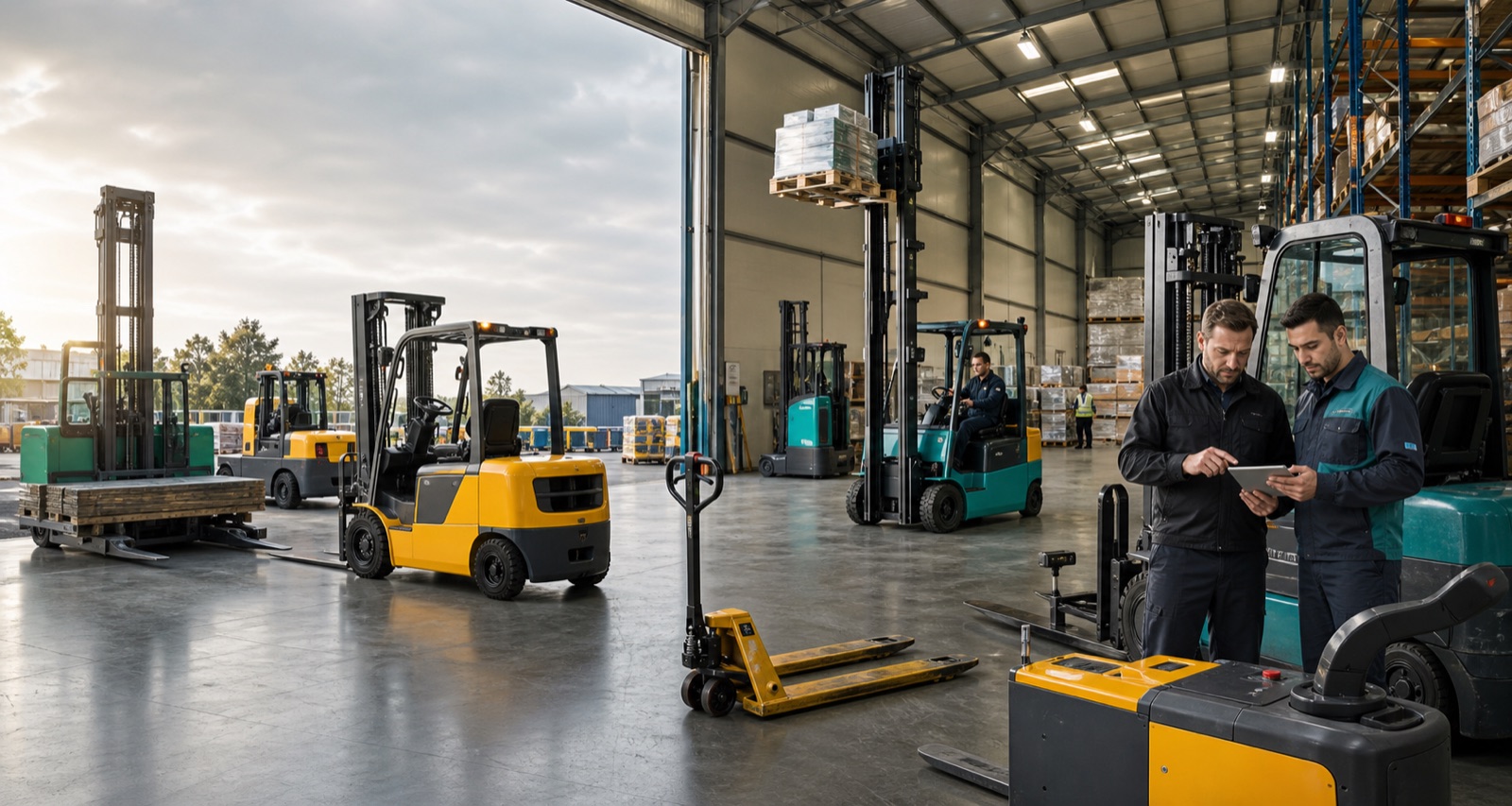
Understanding cushion tyres versus pneumatic tyres matters because it can change availability, safety, cost or compliance in a real forklift operation. This guide explains the practical point a manager needs before a simple specification detail turns into the wrong truck, unsafe load movement or avoidable operator uncertainty.
Short answer
Cushion tyres versus pneumatic tyres are the contact point between the truck and the floor. Tyre compound, wheel type, wear pattern and surface condition all affect stability, comfort, traction and running cost. For cushion tyres versus pneumatic tyres, the basics question is whether managers understand the term well enough to choose, compare or challenge the truck setup. For cushion tyres versus pneumatic tyres, this becomes a management decision once turning clearance in the tightest working aisle, attachment compatibility and revised capacity information and wheel spin or grounding on ramps have been checked together.
What this means in practice
Cushion tyres versus pneumatic tyres change how the truck behaves on turns, ramps, yards, dock plates and debris-prone areas. Uneven wear can point to surface damage, overload, misalignment, harsh turning or a truck doing work it was not specified for. For cushion tyres versus pneumatic tyres, the basics question is whether managers understand the term well enough to choose, compare or challenge the truck setup. Managers reviewing cushion tyres versus pneumatic tyres should be able to point to the observation, action and risk reduced. Reviewing cushion tyres versus pneumatic tyres, a live-site check of cushion tyres versus pneumatic tyres should centre on the tightest aisle or doorway on the route. For cushion tyres versus pneumatic tyres, first put a cost or delay against the event before ranking the response; next check whether another truck doing the same task shows the same pattern. The answer on cushion tyres versus pneumatic tyres should change a named management decision, rather than end as background information. Use operators avoiding a route because visibility is poor as corroborating evidence.
Poor tyre or wheel condition can increase vibration, damage components, reduce grip, mark floors, increase operator fatigue and create repeat spend if the route cause is ignored. For cushion tyres versus pneumatic tyres, use that evidence to choose between continued operation, monitoring, repair, training, inspection, hire cover or an equipment change.
Key checks
- To assess cushion tyres versus pneumatic tyres, inspect tread, chunks, flat spots, cracking, sidewall damage and wheel security. Record its effect on closed mast height at the lowest doorway.
- Before approving a response to cushion tyres versus pneumatic tyres, compare wear patterns across similar trucks and routes. Use ramp gradient under a representative load to judge its importance.
- At the tightest aisle or doorway on the route, for cushion tyres versus pneumatic tyres, check whether indoor, yard or mixed use needs a different tyre choice. Show whether it changes visibility at the point a manoeuvre changes direction.
- For cushion tyres versus pneumatic tyres, separate observation from assumption and review surfaces, debris and turning areas before blaming the tyre alone. Connect the finding to warning-device usefulness in the actual environment.
- Before the cushion tyres versus pneumatic tyres action is closed, plan replacement before tyre condition affects safety or productivity. Record its effect on attachment compatibility and revised capacity information.
Common mistakes
For cushion tyres versus pneumatic tyres, managers often lose control by fixing the visible result but not checking turning clearance in the tightest working aisle. If fork tips failing to support the full load is absent from the record, repeat events look unrelated.
What good looks like
For cushion tyres versus pneumatic tyres, at the tightest aisle or doorway on the route, good control means the observation, owner, action threshold and follow-up result are visible. Evidence covers turning clearance in the tightest working aisle and mast clearance measured at the wrong point; the manager can explain the response and its review trigger.
When to ask WRMH for help
For cushion tyres versus pneumatic tyres, ask for WRMH support when the decision about cushion tyres versus pneumatic tyres depends on specialist interpretation of attachment compatibility and revised capacity information. Evidence from the tightest aisle or doorway on the route, including different truck types being used interchangeably, helps target the right repair, parts, training, inspection, hire or equipment response.