
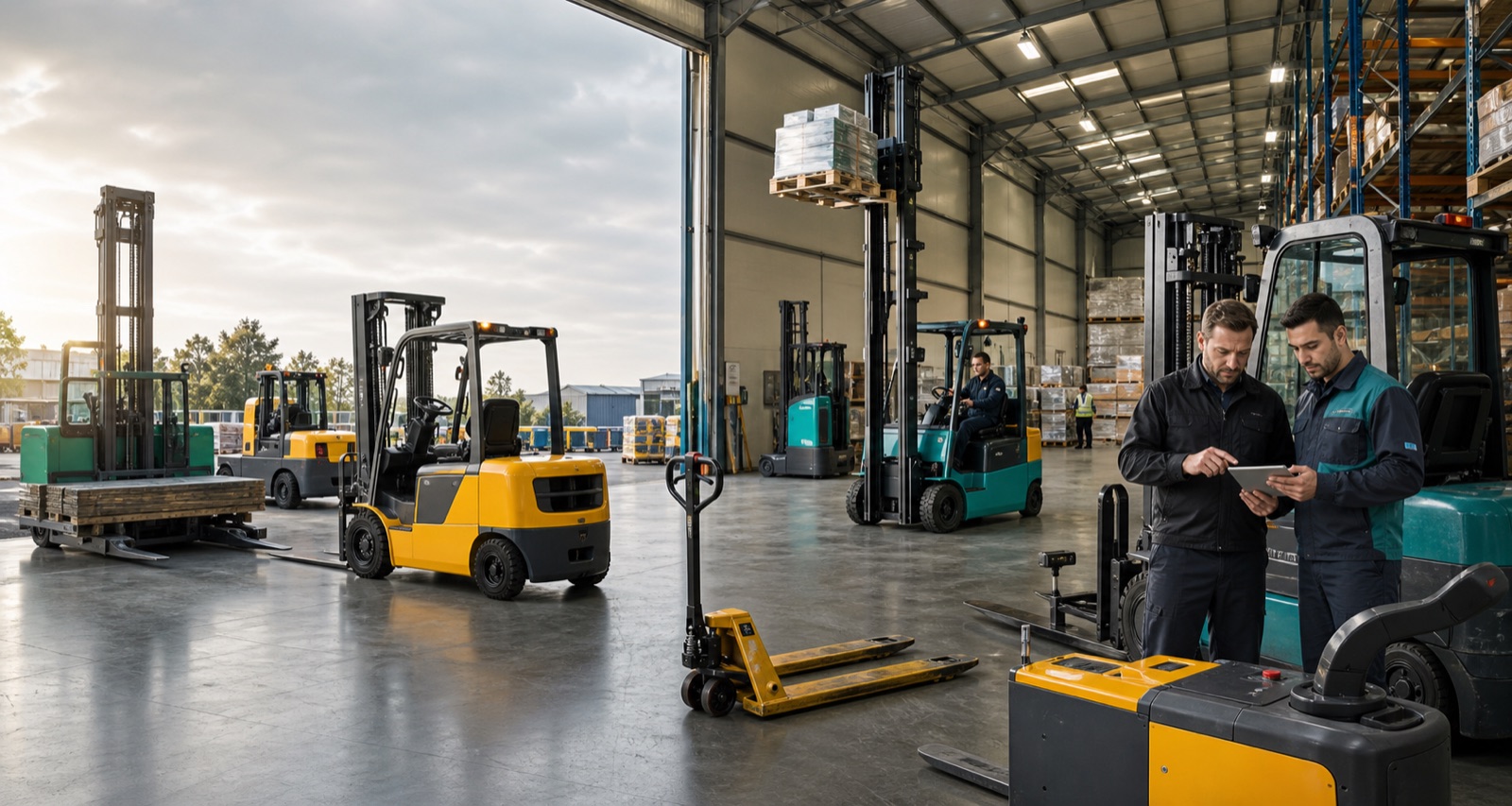
Understanding reach trucks matters because it can change availability, safety, cost or compliance in a real forklift operation. This guide explains the practical point a manager needs before a simple specification detail turns into the wrong truck, unsafe load movement or avoidable operator uncertainty.
Short answer
Reach trucks are a forklift or materials-handling truck type designed for a particular movement pattern, load shape, surface and operator task. For reach trucks, the basics question is whether managers understand the term well enough to choose, compare or challenge the truck setup. For reach trucks, before settling the answer, compare power availability across consecutive shifts with residual capacity at the real lift height and verify any sign of mast clearance measured at the wrong point.
What this means in practice
Reach trucks matter because the right truck type improves flow, while the wrong one forces slow manoeuvres, extra handling, poor visibility or unnecessary operator strain. For reach trucks, the basics question is whether managers understand the term well enough to choose, compare or challenge the truck setup. Keep reach trucks practical by stating what is affected, how urgent it is and what happens next. Reviewing reach trucks, the clearest evidence on reach trucks may appear at the tightest aisle or doorway on the route. For reach trucks, first check whether another truck doing the same task shows the same pattern; then photograph the condition and record when it appears. The answer on reach trucks should change a named management decision, rather than end as background information. Include different truck types being used interchangeably in the comparison.
A poor decision on reach trucks can reduce productivity, increase damage, create training gaps and make the site pay for capability it does not use. With reach trucks, the practical choice is to accept and monitor the condition, intervene now, or change the support or equipment route.
Key checks
- For reach trucks, define the load, travel distance, lift height and working surface. Show whether it changes operator category for the selected truck type.
- Before approving a response to reach trucks, check aisle width, doorway height, yard conditions and charging or fuel needs. Connect the finding to power availability across consecutive shifts.
- Using the tightest aisle or doorway on the route to test reach trucks, confirm operators are trained for the truck category. Record its effect on attachment compatibility and revised capacity information.
- For reach trucks, separate observation from assumption and review whether attachments, long loads or pedestrian areas change the choice. Use tyre and ground-clearance suitability on the full route to judge its importance.
- For reach trucks, the person approving the next step should compare hire, used and new options against the expected hours. Show whether it changes visibility at the point a manoeuvre changes direction.
Common mistakes
For reach trucks, a weak decision would treat one symptom as proof while overlooking power availability across consecutive shifts. Without evidence about battery runtime below the shift requirement, the site cannot tell whether the same mechanism has returned.
What good looks like
For reach trucks, the target state is a shared rule at the tightest aisle or doorway on the route, supported by evidence about power availability across consecutive shifts, a named owner and records addressing pallets wider or longer than the standard load.
When to ask WRMH for help
For reach trucks, bring WRMH in if the site has recorded attachments used without revised rating information but still cannot settle the action. Truck identity, task detail and residual capacity at the real lift height allow a more accurate and commercially controlled response.