
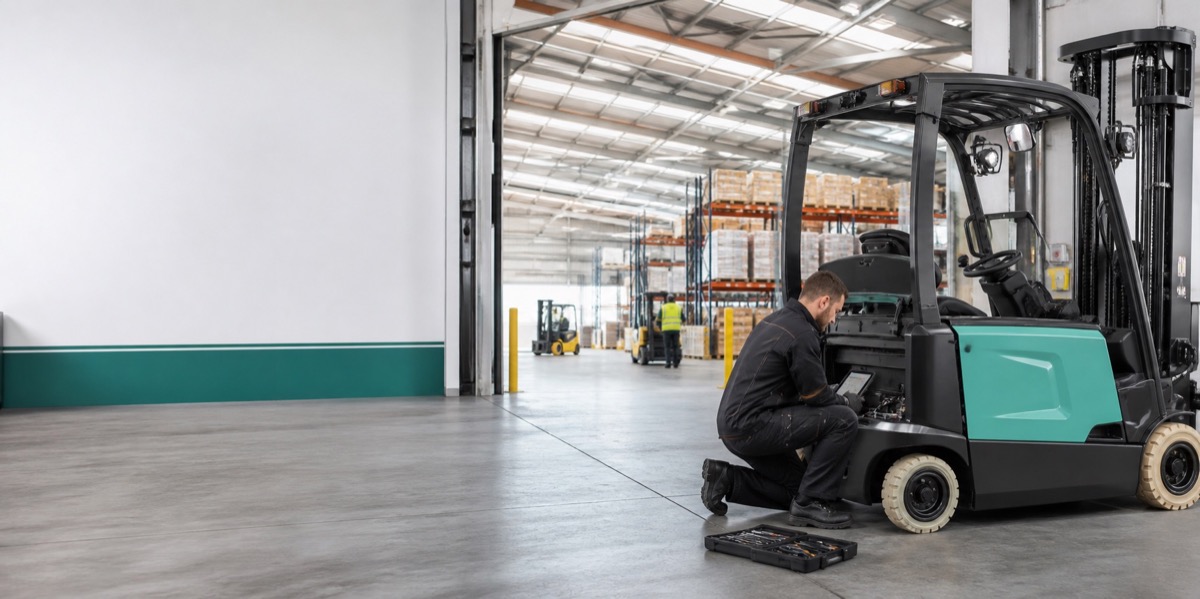
Understanding how diagnostics reduce repeat visits matters because it can change availability, safety, cost or compliance in a real forklift operation. This guide explains the practical point a manager needs before a fault is treated as a one-off repair while the cause continues to damage uptime, confidence and engineer response time.
Short answer
Diagnostics reduce repeat visits means moving from a symptom to a reliable repair decision without guesswork, repeat visits or avoidable downtime. For diagnostics reduce repeat visits, the servicing question is whether the symptom leads to a reliable repair or a pattern likely to return. For diagnostics reduce repeat visits, the answer becomes operational when it is connected to operator observations captured without interpretation, repair cost against remaining equipment life and an observable sign such as engineer time lost waiting for access or information.
What this means in practice
Diagnostics reduce repeat visits improves when the site captures symptoms, when the fault happens, warning codes, recent service history and what the operator noticed before the engineer attends. For diagnostics reduce repeat visits, the servicing question is whether the symptom leads to a reliable repair or a pattern likely to return. Managers reviewing diagnostics reduce repeat visits should be able to point to the observation, action and risk reduced. Reviewing diagnostics reduce repeat visits, a live-site check of diagnostics reduce repeat visits should centre on the first loaded test after a repair. For diagnostics reduce repeat visits, first put a cost or delay against the event before ranking the response; next photograph the condition and record when it appears. A reliable method for diagnostics reduce repeat visits states who checks, what they record and how the outcome is followed through. Use quotations addressing damage but not its cause as corroborating evidence.
Poor information about diagnostics reduce repeat visits can turn a straightforward repair into extra attendance time, parts delay, hire cost and loss of confidence. For diagnostics reduce repeat visits, use that evidence to choose between continued operation, monitoring, repair, training, inspection, hire cover or an equipment change.
Key checks
- To assess diagnostics reduce repeat visits, record the exact symptom, warning light, noise, leak or performance change. Show whether it changes completed testing under the original operating condition.
- Before approving a response to diagnostics reduce repeat visits, note when the fault appears: cold start, under load, after charging or during lifting. Use repeat faults against the same asset number to judge its importance.
- At the first loaded test after a repair, for diagnostics reduce repeat visits, check service history and recent defect reports. Record its effect on fault codes and warning states at the time of failure.
- For diagnostics reduce repeat visits, separate observation from assumption and decide whether the truck should be stopped until inspected. Connect the finding to maintenance evidence from the previous quarter.
- Before the diagnostics reduce repeat visits action is closed, consider hire cover if the truck is critical to dispatch or production. Show whether it changes hire cover for the movement the truck supports.
Common mistakes
For diagnostics reduce repeat visits, a quick response can be the wrong response if it bypasses operator observations captured without interpretation. Managers also need oil, debris or heat showing the cause location recorded, otherwise recurrence cannot be recognised with confidence.
What good looks like
For diagnostics reduce repeat visits, at the first loaded test after a repair, good control means the observation, owner, action threshold and follow-up result are visible. Evidence covers operator observations captured without interpretation and operators describing different versions of the fault; the manager can explain the response and its review trigger.
When to ask WRMH for help
For diagnostics reduce repeat visits, ask for WRMH support when the decision about diagnostics reduce repeat visits depends on specialist interpretation of repair cost against remaining equipment life. Evidence from the first loaded test after a repair, including hire arranged after production has already stopped, helps target the right repair, parts, training, inspection, hire or equipment response.