
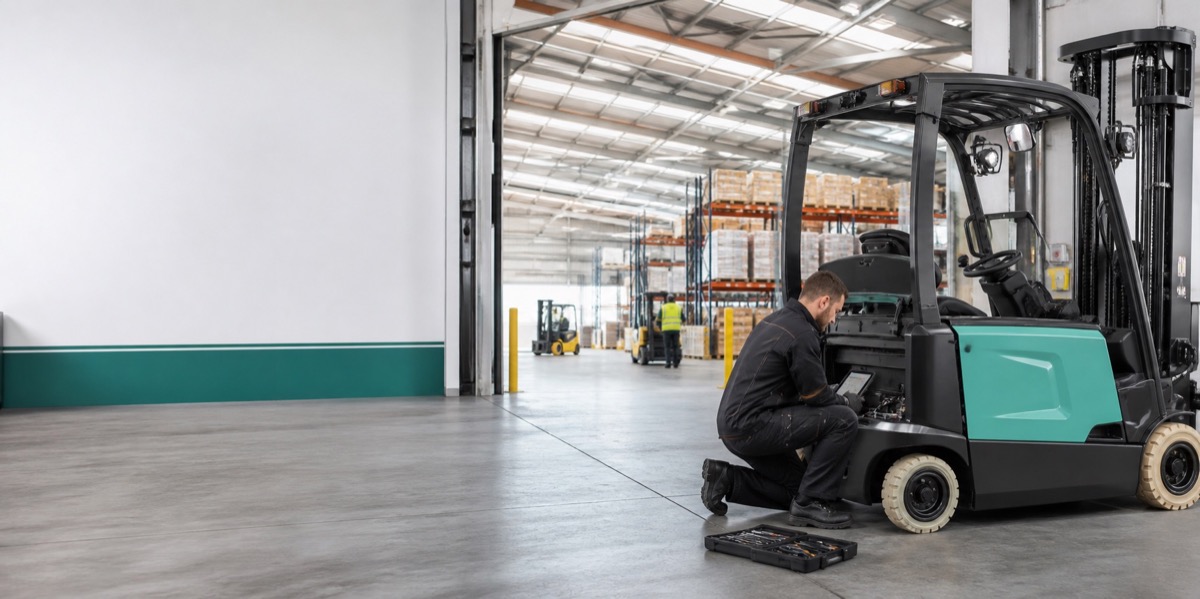
Repeat visits are frustrating, but they are not always caused by poor effort on site or from the engineer. Sometimes the root issue is that the part, variant or surrounding cause was not identified clearly enough before the first repair was attempted.
Short answer
Repeat visits may point to a parts identification problem when similar components are fitted more than once, symptoms return quickly, model variants were uncertain, fault information was incomplete or the replacement part was selected from description rather than serial number, part number and diagnosis.
What this means in practice
A truck may receive a new switch, hose, roller or controller and return to work briefly, only for the fault to come back. The question is whether the part failed, the wrong part was fitted, the surrounding system damaged it or the original symptom was misunderstood.
The manager decision is whether to approve another visit in the same way or pause to review the identification evidence. That review can prevent the site from paying repeatedly while the actual cause remains hidden.
Key checks
- Compare the original symptom with the symptom after the repair.
- Check whether serial number, part number and photos were used.
- Review whether the surrounding system could be damaging the part.
- Ask whether diagnostics are needed before fitting another component.
- Decide whether hire cover is needed while the cause is properly checked.
Common mistakes
A common mistake is treating the second visit as bad luck. If the same fault returns, managers should ask what evidence changed between visits and whether the parts route needs tightening before more labour is spent.
What good looks like
Good control means repeat visits trigger a review of symptoms, parts evidence, diagnostics and operating conditions, so the next attendance is aimed at closing the fault rather than repeating the same assumption.
When to ask WRMH for help
Ask WRMH for help when repeat visits are affecting uptime or confidence. WRMH can review parts identification, repair history and diagnostic evidence to decide whether the issue is wrong part, failed part, fitting route or a deeper truck fault.
ask WRMH to review the parts evidence before approving another repeat repair.
Manager decision and evidence
Do repeat visits point to a parts identification problem affect the match between truck, load, aisle, height, surface and operator visibility. For do repeat visits point to a parts identification problem, a truck can look right until the load centre, lift height, mast clearance or route constraint is checked. For do repeat visits point to a parts identification problem, the servicing question is whether the symptom leads to a reliable repair or a pattern likely to return. Keep do repeat visits point to a parts identification problem practical by stating what is affected, how urgent it is and what happens next. Reviewing do repeat visits point to a parts identification problem, the clearest evidence on do repeat visits point to a parts identification problem may appear at the first loaded test after a repair. For do repeat visits point to a parts identification problem, first observe the task during a normal busy period rather than an empty-site trial; then compare the latest observation with the previous three records. Define the condition, frequency or consequence that makes do repeat visits point to a parts identification problem a live management action. Include quotations addressing damage but not its cause in the comparison.
If do repeat visits point to a parts identification problem is misunderstood, the site may choose a truck that is unstable, too large, under-capacity, hard to operate or unsuitable for the working area. Turn the finding on do repeat visits point to a parts identification problem into one named action and a review date instead of leaving several possible responses open. The manager should record who owns the action, what evidence will confirm it has worked and when the decision will be reviewed.
For do repeat visits point to a parts identification problem, this extra discipline keeps a useful article from ending as general guidance. It gives operations, maintenance and safety teams one shared basis for deciding what changes now and what evidence should be retained.